Articles
-
Eco-Anxiety Is Not Your Enemy
59% of young people describe themselves as extremely worried about the climate — and those who feel this anxiety engage more politically than those who don't. Science is redefining eco-anxiety: not a pathology to cure, but an adaptive signal to transform into collective force.
Read article → -
Social Isolation Kills — And the Remedies Exist
A meta-analysis of 3.4 million people confirms it: social isolation increases mortality risk by 29%. But large-scale programmes — social prescribing in the UK, moais in Okinawa, village movements in the US — prove this epidemic is reversible.
Read article → -
Nature as Medicine: What Science Now Measures
Contact with nature is often relegated to 'alternative medicine'. Clinical data tell a different story: 21% less cortisol in 10 to 30 minutes, strengthened immune cells, reduced mortality risk. Here is the state of the evidence.
Read article → -
"Degrowth makes you sick": what the data actually says
80% of our longevity is determined by lifestyle, not genes. Societies that consume less often live longer, with better mental health and more meaning. Here is the evidence.
Read article →


Briefs
-
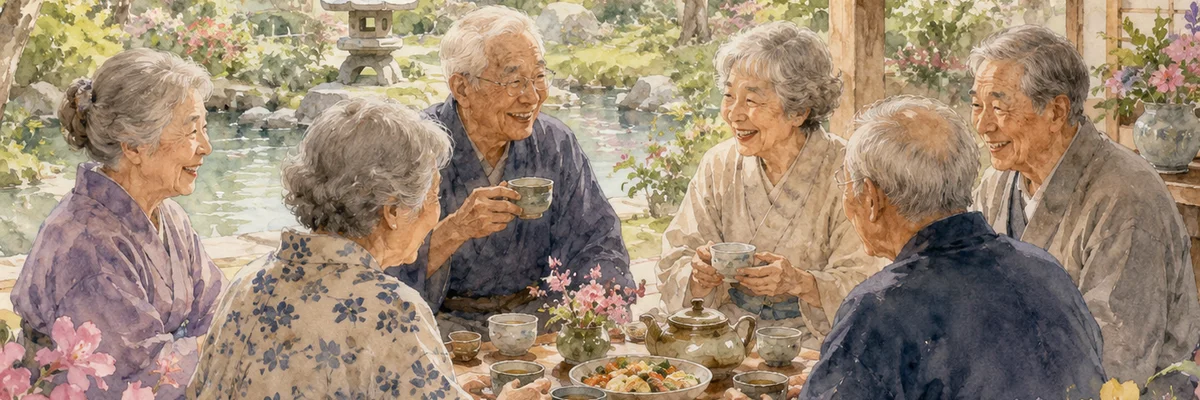
The Village Movement: ageing at home, surrounded by a community that organises itself
Born in Boston in 2002, the Village Movement offers a simple model: neighbours organise collectively to enable older adults to stay at home, with mutual services and a solidarity network. The movement has spread to hundreds of cities across the United States.
Read → -
Moai Okinawa: How a Circle of Five Friends Extends Your Life
The moai okinawa tradition: in Okinawa, about half the population participates in a moai — an informal mutual support group, some of which have lasted more than 90 years. Okinawan women live on average 8 years longer than American women. Social connection is probably one of the decisive factors.
Read → -
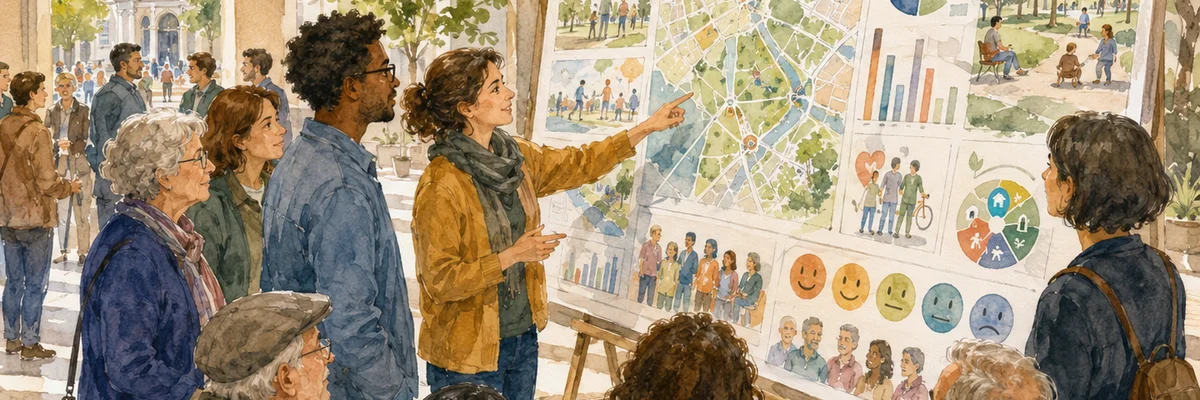
Six governments are building an economy that measures happiness
The WEGo (Wellbeing Economy Governments) partnership, launched in 2018, brings together Scotland, Iceland, New Zealand, Wales, Finland and Canada around a shared goal: developing public policies that measure wellbeing rather than growth alone.
Read → -
Bhutan's Gross National Happiness Index: 50 Years of Results
The bhutan happiness index — known as the Gross National Happiness (GNH) Index — has, since the 1970s, measured national happiness across 9 domains and 33 indicators. The index rose from 0.743 to 0.781 (2010–2022). Discover what half a century of alternative GDP shows.
Read → -
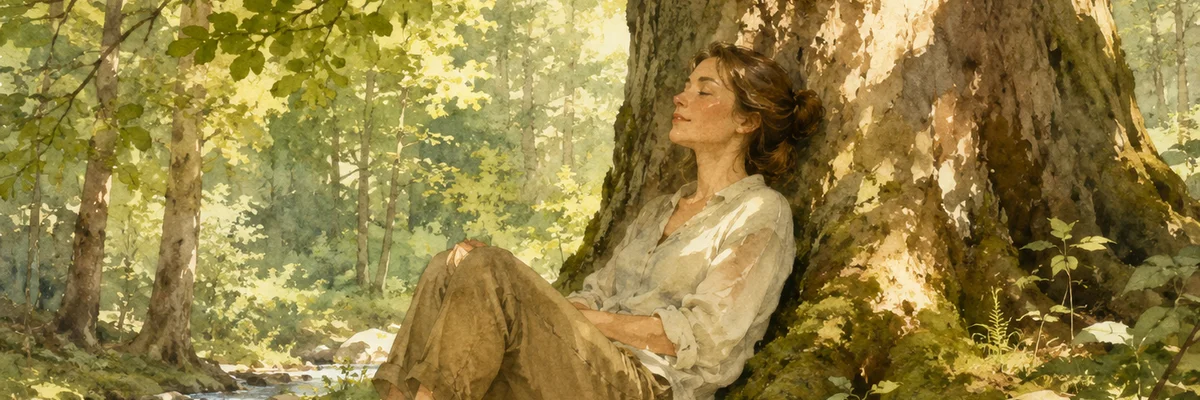
Shinrin-yoku: the forest as recognised medicine — NK cells and anti-cancer proteins
Recognised as a discipline of preventive medicine in Japan since 2004, forest bathing (shinrin-yoku) is documented by precise physiological measurements: increased NK cell activity and anti-cancer proteins, lower blood pressure, anxiety and depression scores. Cortisol effects remain uncertain according to the most recent evidence.
Read → -
Changing your diet at 20 can add more than 10 years to your life expectancy
A study published in PLOS Medicine in 2022 modelled the impact of a sustained dietary change on life expectancy. Switching from a typical Western diet to an optimal diet at age 20 extends life by 10.7 years for women and 13 years for men.
Read → -
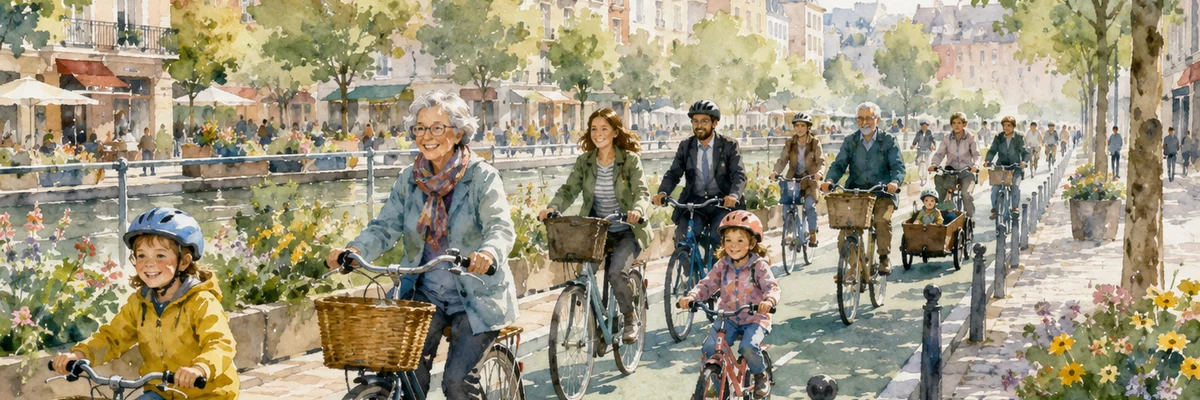
Everyday cycling: -10% mortality and $435 billion in potential health benefits
If every city raised its cycling network to Copenhagen's level, the global health benefits would amount to around $435 billion per year. That is the finding of a study published in 2025 in PNAS, covering 11,587 cities in 121 countries.
Read → -
Two hours a week in nature: a documented threshold for wellbeing
A meta-analysis published in 2025 in Behavioral Sciences — covering 78 studies — confirms that 120 minutes of exposure to nature per week are associated with better perceived health and significantly higher wellbeing. The threshold is achievable, even in cities.
Read → -
In Iceland, the shorter working week has become the norm
A follow-up report published in October 2024 confirms it: 86% of Iceland's active population now works fewer hours, or has the right to do so. This is no longer a pilot — it is a public policy that has become firmly established.
Read →