Articles
Stories of what works, grounded in verified sources.
-
Precision Fermentation Is Already in Your Cheese
80% of the world's rennet has been produced without animals since 1990. The same technology promises dairy proteins with 91–97% fewer emissions — with important nuances on costs, European regulation and patent concentration.
Read article → -
In Oslo, 40% of Housing Is Participatory. This Is Not a Utopia.
Individualism as inevitable, cohousing reserved for idealists? Across Europe, tens of thousands of people prove otherwise — with measured data on loneliness, health and life satisfaction.
Read article → -
Citizen Microgrids: When a Neighbourhood Generates Its Own Energy
Community microgrids for neighborhoods: in Wildpoldsried, Schoonschip, and through Enercoop, villages and neighbourhoods are producing their own electricity — and reinvesting the revenue locally. Nine thousand communities are already doing this across Europe. Real conditions, documented limits.
Read article → -
Eco-Anxiety Is Not Your Enemy
59% of young people describe themselves as extremely worried about the climate — and those who feel this anxiety engage more politically than those who don't. Science is redefining eco-anxiety: not a pathology to cure, but an adaptive signal to transform into collective force.
Read article → -
Universal Basic Income: What 40 Years of Data Actually Tell Us
From Alaska to Finland, through Stockton and Kenya, six rigorously documented experiments contradict the myth of dependency. Recipients work more, invest more, and do better.
Read article → -
France's Social and Solidarity Economy: A Quiet Transformation Already Underway
The Social and Solidarity Economy accounts for 10% of French employment and brings together 2.6 million people. From cooperatives to mutual health insurers, the economic alternative isn't a utopia — it's already a discreet pillar of the French economy.
Read article → -
96% of Commercial Software Contains Code That Volunteers Wrote for Free
Wikipedia, Linux, OpenStreetMap: three projects built by millions of people with no single owner. Harvard puts their replacement value at $8.8 trillion. The data demolish the idea that open collaboration cannot work at scale.
Read article → -
Social Isolation Kills — And the Remedies Exist
A meta-analysis of 3.4 million people confirms it: social isolation increases mortality risk by 29%. But large-scale programmes — social prescribing in the UK, moais in Okinawa, village movements in the US — prove this epidemic is reversible.
Read article → -
When Residents Control Public Budgets, the Most Vulnerable Benefit Most
In 1989, Porto Alegre handed part of its budget to residents. Within ten years: drinking water in 98% of homes, health spending tripled, infant mortality down. The model has spread to 7,000–11,500 cities. The data contradict the received wisdom.
Read article → -
Nature as Medicine: What Science Now Measures
Contact with nature is often relegated to 'alternative medicine'. Clinical data tell a different story: 21% less cortisol in 10 to 30 minutes, strengthened immune cells, reduced mortality risk. Here is the state of the evidence.
Read article → -
Regenerative Agriculture: What the Data Proves (and What It Doesn't Yet)
Regenerative agriculture is not an ideological niche — it's a documented shift in business model. 70% higher profitability than conventional farms (PeerJ 2018), 1.22 t C/ha/yr sequestered (Frontiers 2024). With the honest obstacles.
Read article → -
"Degrowth makes you sick": what the data actually says
80% of our longevity is determined by lifestyle, not genes. Societies that consume less often live longer, with better mental health and more meaning. Here is the evidence.
Read article → -
"Patents save lives": what open-source biology proves otherwise
AlphaFold made 200 million protein structures freely accessible within months. 100,000 researchers work in the open on the diseases that kill the poorest. Here is how open-source biology is reinventing who benefits from science.
Read article → -
The Citizens' Assembly: How Ordinary People Change Constitutions
Selected like jurors, 99 Irish citizens made possible what politicians had avoided for decades. Deliberative democracy works — here is the evidence, and its real limits.
Read article → -
"There Is No Alternative" — The Evidence That Alternatives Already Exist
280 million people work in cooperatives. Three basic income experiments have documented their effects. Amsterdam changed its economic compass. The WIR Bank has been financing Swiss SMEs since 1934. Here is the data.
Read article → -
The AI That Counts Species: When Artificial Intelligence Serves the Living World
300 million biodiversity observations collected by citizens. Algorithms tracking poachers in real time. 200 million protein structures free for the entire planet. The same technology powering our news feeds can also protect life — if we choose what it serves.
Read article → -
Mondragon at 70: What the World's Largest Worker Cooperative Actually Proves
Founded in 1956, Mondragon brings together 70,000 worker-owners and posts a 97% survival rate over three decades. If the model is this solid, why does it remain marginal?
Read article → -
The Ocean is Regenerating: The Numbers Nobody Cites
Inside fully protected marine reserves, fish biomass is 670% higher than in unprotected areas. Off California, the return of sea otters increased carbon storage in kelp forests by 5.3%. The ocean recovers — fast, sometimes spectacularly — when given the chance.
Read article → -
The Commons: How One Billion People Cooperate Without Markets or States
In 1968, Hardin theorised that shared resources inevitably get plundered. In 2009, Ostrom won the Nobel Prize for refuting that thesis with 800 real cases. Meanwhile, 10 million volunteers mapped the entire world for free.
Read article → -
The Energy Transition: The Curve That Changes Everything
In 2010, solar electricity cost 414% more than fossil fuels. In 2023, it costs 56% less. This reversal, documented by IRENA, is the most important economic fact of the decade — and one of the least known.
Read article → -
Rewilding Europe: How the Continent Is Restoring Its Ecosystems
Rewilding Europe is reshaping landscapes across the continent. From Knepp to the Carpathians, discover how the Nature Restoration Law (2024) and grassroots projects are bringing biodiversity back.
Read article →


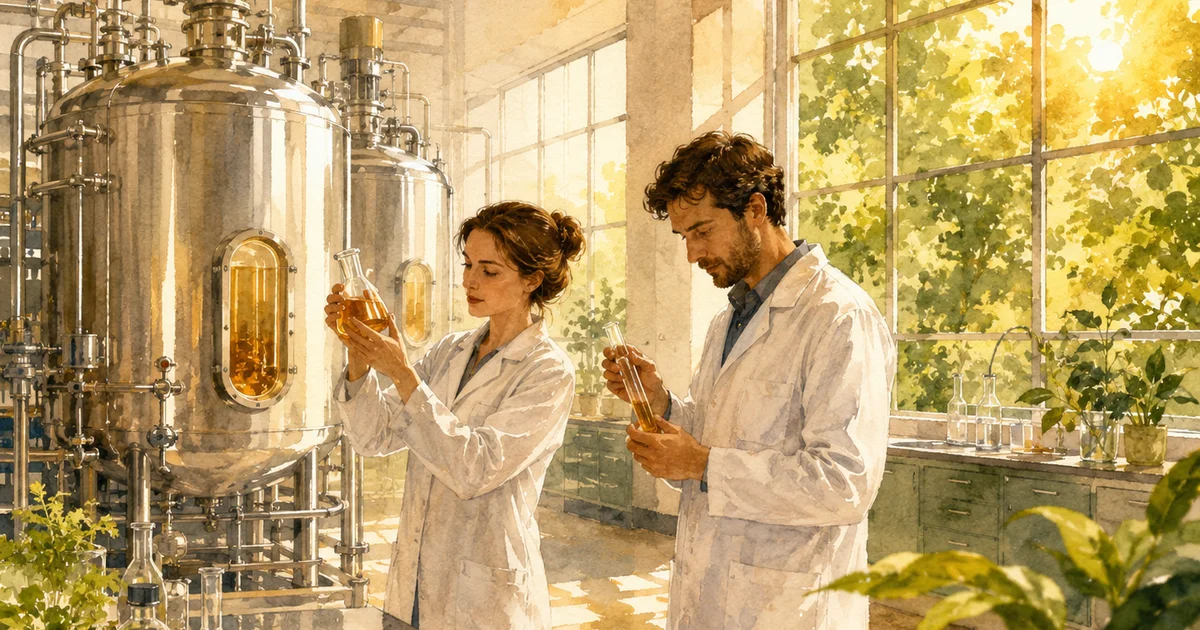
Precision Fermentation Is Already in Your Cheese
80% of the world's rennet has been produced without animals since 1990. The same technology promises dairy proteins with 91–97% fewer emissions — with important nuances on costs, European regulation and patent concentration.
Read →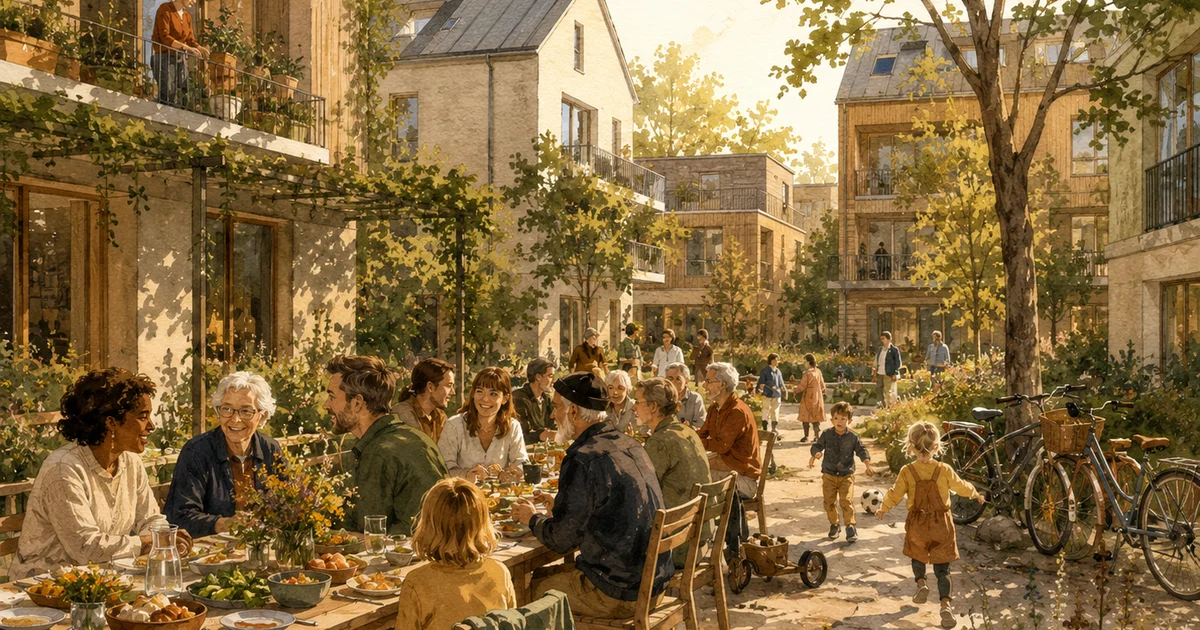
In Oslo, 40% of Housing Is Participatory. This Is Not a Utopia.
Individualism as inevitable, cohousing reserved for idealists? Across Europe, tens of thousands of people prove otherwise — with measured data on loneliness, health and life satisfaction.
Read →
Citizen Microgrids: When a Neighbourhood Generates Its Own Energy
Community microgrids for neighborhoods: in Wildpoldsried, Schoonschip, and through Enercoop, villages and neighbourhoods are producing their own electricity — and reinvesting the revenue locally. Nine thousand communities are already doing this across Europe. Real conditions, documented limits.
Read →
Eco-Anxiety Is Not Your Enemy
59% of young people describe themselves as extremely worried about the climate — and those who feel this anxiety engage more politically than those who don't. Science is redefining eco-anxiety: not a pathology to cure, but an adaptive signal to transform into collective force.
Read →
Universal Basic Income: What 40 Years of Data Actually Tell Us
From Alaska to Finland, through Stockton and Kenya, six rigorously documented experiments contradict the myth of dependency. Recipients work more, invest more, and do better.
Read →
France's Social and Solidarity Economy: A Quiet Transformation Already Underway
The Social and Solidarity Economy accounts for 10% of French employment and brings together 2.6 million people. From cooperatives to mutual health insurers, the economic alternative isn't a utopia — it's already a discreet pillar of the French economy.
Read →
96% of Commercial Software Contains Code That Volunteers Wrote for Free
Wikipedia, Linux, OpenStreetMap: three projects built by millions of people with no single owner. Harvard puts their replacement value at $8.8 trillion. The data demolish the idea that open collaboration cannot work at scale.
Read →
Social Isolation Kills — And the Remedies Exist
A meta-analysis of 3.4 million people confirms it: social isolation increases mortality risk by 29%. But large-scale programmes — social prescribing in the UK, moais in Okinawa, village movements in the US — prove this epidemic is reversible.
Read →
When Residents Control Public Budgets, the Most Vulnerable Benefit Most
In 1989, Porto Alegre handed part of its budget to residents. Within ten years: drinking water in 98% of homes, health spending tripled, infant mortality down. The model has spread to 7,000–11,500 cities. The data contradict the received wisdom.
Read →
Nature as Medicine: What Science Now Measures
Contact with nature is often relegated to 'alternative medicine'. Clinical data tell a different story: 21% less cortisol in 10 to 30 minutes, strengthened immune cells, reduced mortality risk. Here is the state of the evidence.
Read →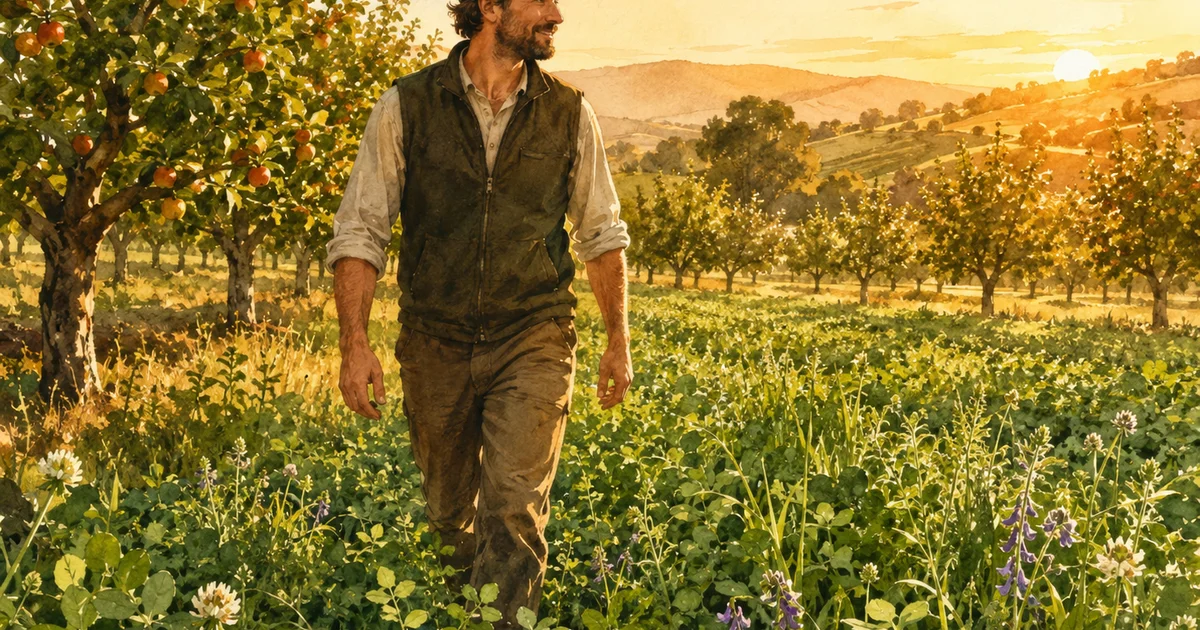
Regenerative Agriculture: What the Data Proves (and What It Doesn't Yet)
Regenerative agriculture is not an ideological niche — it's a documented shift in business model. 70% higher profitability than conventional farms (PeerJ 2018), 1.22 t C/ha/yr sequestered (Frontiers 2024). With the honest obstacles.
Read →
"Degrowth makes you sick": what the data actually says
80% of our longevity is determined by lifestyle, not genes. Societies that consume less often live longer, with better mental health and more meaning. Here is the evidence.
Read →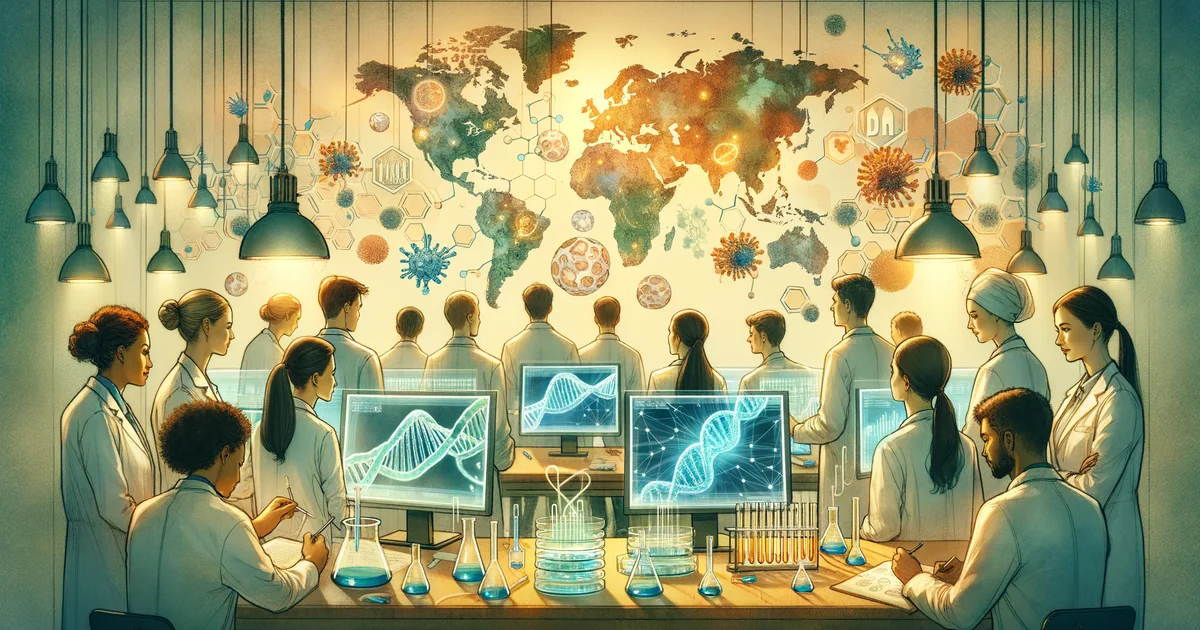
"Patents save lives": what open-source biology proves otherwise
AlphaFold made 200 million protein structures freely accessible within months. 100,000 researchers work in the open on the diseases that kill the poorest. Here is how open-source biology is reinventing who benefits from science.
Read →
The Citizens' Assembly: How Ordinary People Change Constitutions
Selected like jurors, 99 Irish citizens made possible what politicians had avoided for decades. Deliberative democracy works — here is the evidence, and its real limits.
Read →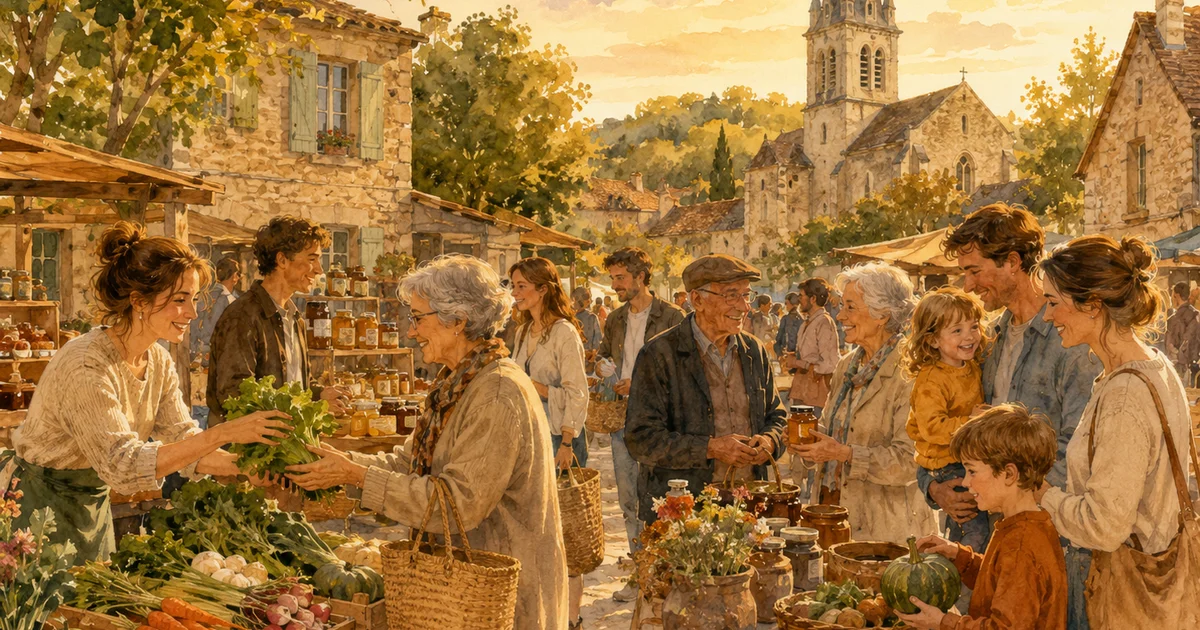
"There Is No Alternative" — The Evidence That Alternatives Already Exist
280 million people work in cooperatives. Three basic income experiments have documented their effects. Amsterdam changed its economic compass. The WIR Bank has been financing Swiss SMEs since 1934. Here is the data.
Read →
The AI That Counts Species: When Artificial Intelligence Serves the Living World
300 million biodiversity observations collected by citizens. Algorithms tracking poachers in real time. 200 million protein structures free for the entire planet. The same technology powering our news feeds can also protect life — if we choose what it serves.
Read →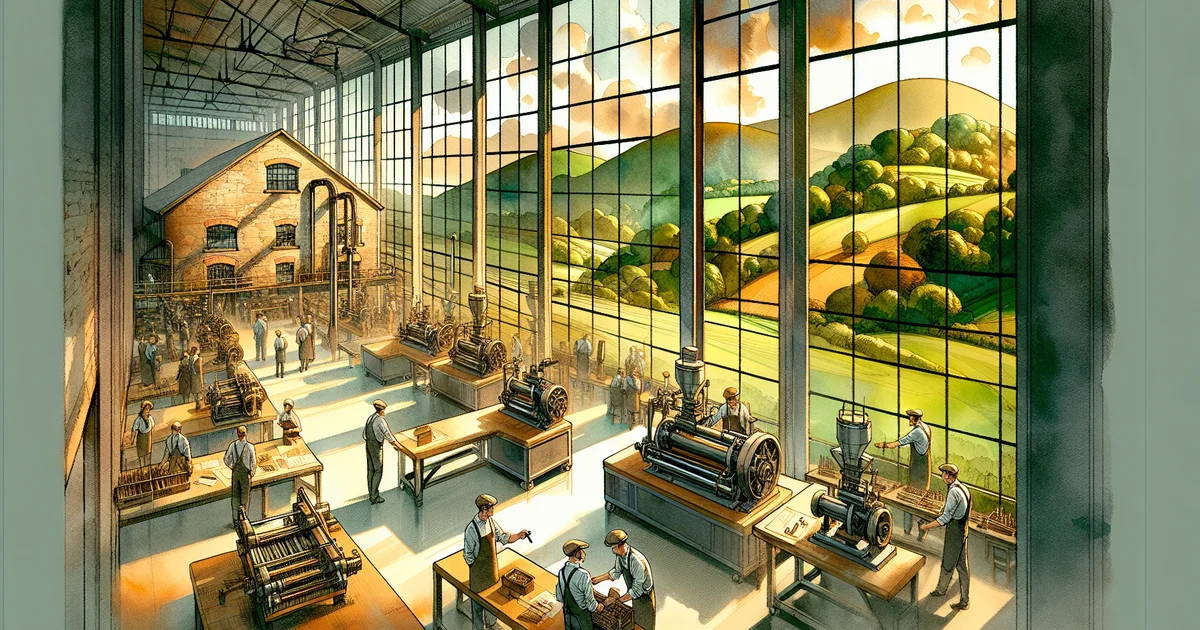
Mondragon at 70: What the World's Largest Worker Cooperative Actually Proves
Founded in 1956, Mondragon brings together 70,000 worker-owners and posts a 97% survival rate over three decades. If the model is this solid, why does it remain marginal?
Read →
The Ocean is Regenerating: The Numbers Nobody Cites
Inside fully protected marine reserves, fish biomass is 670% higher than in unprotected areas. Off California, the return of sea otters increased carbon storage in kelp forests by 5.3%. The ocean recovers — fast, sometimes spectacularly — when given the chance.
Read →
The Commons: How One Billion People Cooperate Without Markets or States
In 1968, Hardin theorised that shared resources inevitably get plundered. In 2009, Ostrom won the Nobel Prize for refuting that thesis with 800 real cases. Meanwhile, 10 million volunteers mapped the entire world for free.
Read →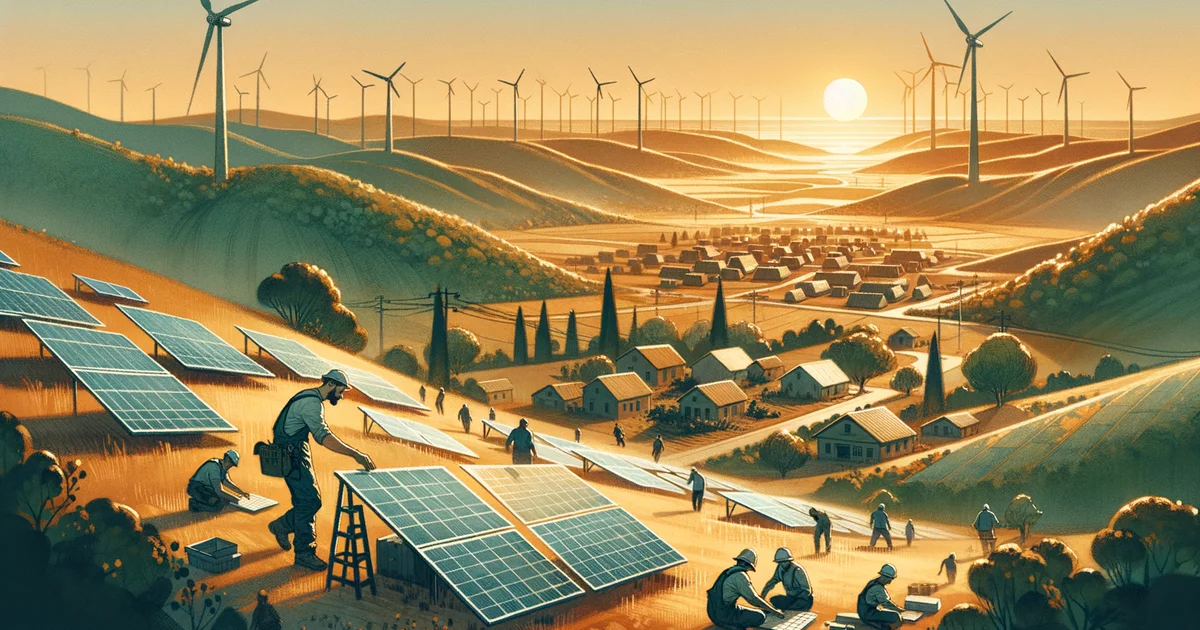
The Energy Transition: The Curve That Changes Everything
In 2010, solar electricity cost 414% more than fossil fuels. In 2023, it costs 56% less. This reversal, documented by IRENA, is the most important economic fact of the decade — and one of the least known.
Read →
Rewilding Europe: How the Continent Is Restoring Its Ecosystems
Rewilding Europe is reshaping landscapes across the continent. From Knepp to the Carpathians, discover how the Nature Restoration Law (2024) and grassroots projects are bringing biodiversity back.
Read →You're up to date.
Discover more: