Ecology & Regeneration
Rewilding, regenerative agriculture, oceans, forests — nature reclaiming its rights.
← Back to homeArticles
-
Regenerative Agriculture: What the Data Proves (and What It Doesn't Yet)
Regenerative agriculture is not an ideological niche — it's a documented shift in business model. 70% higher profitability than conventional farms (PeerJ 2018), 1.22 t C/ha/yr sequestered (Frontiers 2024). With the honest obstacles.
Read article → -
The Ocean is Regenerating: The Numbers Nobody Cites
Inside fully protected marine reserves, fish biomass is 670% higher than in unprotected areas. Off California, the return of sea otters increased carbon storage in kelp forests by 5.3%. The ocean recovers — fast, sometimes spectacularly — when given the chance.
Read article → -
The Rewilding Revolution: How Europe Is Bringing Its Territories Back to Life
Knepp, Yellowstone wolves, English beavers: ecosystems are recovering faster than expected. Evidence is mounting, Europe has adopted a landmark legal framework. This isn't naive optimism — it's data-driven ecology.
Read article →


Briefs
-
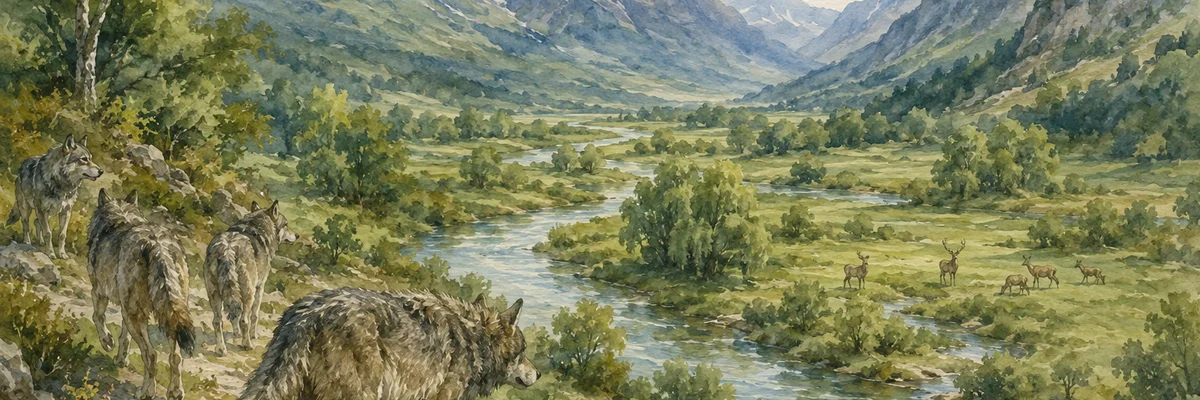
Yellowstone: wolves multiplied riparian forest volume fifteenfold
A study published in 2025 in Global Ecology and Conservation measures the effect of wolf reintroduction at Yellowstone: the volume of riparian willow crowns increased by 1,500% between 2001 and 2020. The trophic cascade is one of the strongest ever documented.
Read → -
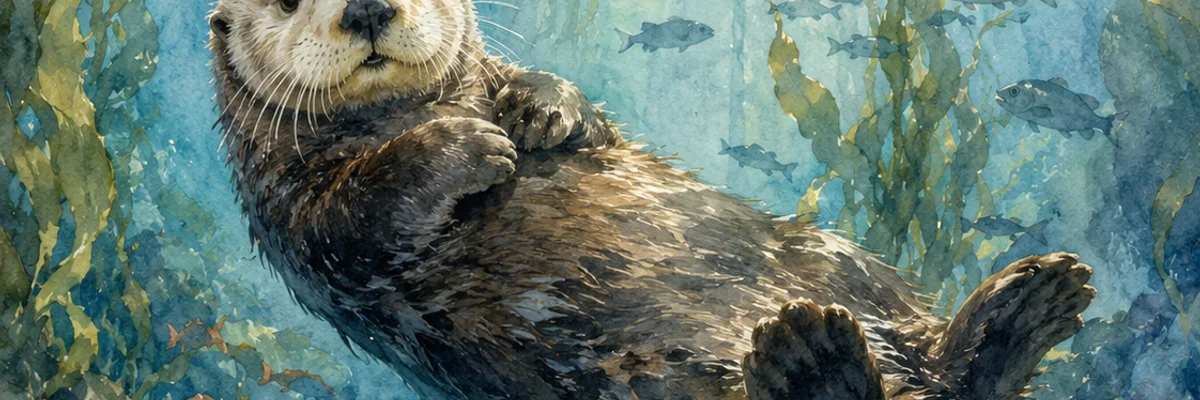
Sea otters and kelp: a keystone species restoring underwater forests and storing carbon
In central California, the return of sea otters increased kelp forest cover by 57.6% and raised the carbon storage of these ecosystems by 5.3%. A study published in PLOS Climate in 2024 documents this cascade mechanism — one animal, two climate benefits.
Read → -
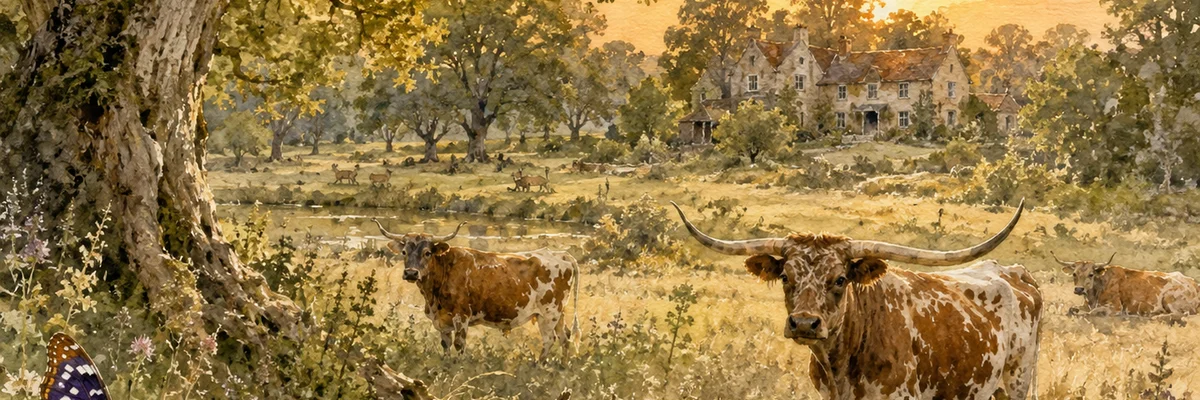
Knepp Estate: 20 years of rewilding, +916% breeding birds
In twenty years, an exhausted agricultural estate in Sussex has become one of the UK's greatest biodiversity hotspots. The January 2026 assessment is striking: +916% breeding birds, +871% dragonflies, 62 nightingale males where there were only 9.
Read → -
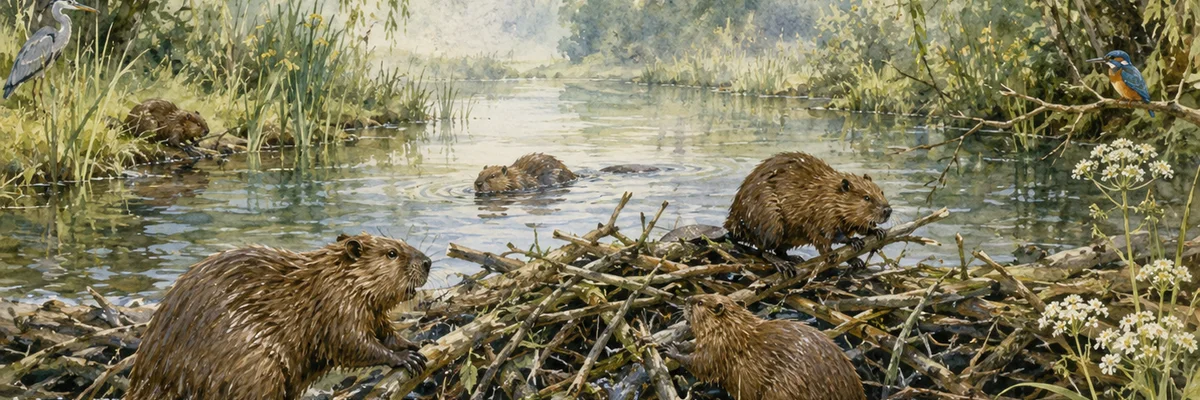
Beavers are back in England
In March 2025, Eurasian beavers were officially released into the wild in England for the first time in centuries. This small mammal transforms wetlands far better than any civil engineering project.
Read → -
Europe adopts a binding law to restore nature
In July 2024, the European Nature Restoration Regulation came into force — a world first. For the first time, a major economic area has legally committed to repairing the ecosystems it has degraded: 20% of land, 25,000 km of rivers, 3 billion trees.
Read →